When people hear the term dry cleaning, they often think about luxury or delicate clothing. But many customers of Neatly Laundromat are not fully aware of what is actually included in a dry cleaning service, what the process looks like step by step, and which items should never go near a dry cleaning solvent. This guide lays it all out clearly so you can make the right call for every garment in your closet.
What Is Dry Cleaning?
Dry cleaning is a professional cleaning method that uses chemical solvents instead of water to remove stains, oils, and dirt from fabric. The name is a little misleading: the process does use liquid, just not water. The most common solvent is called perchloroethylene (or "perc"), though many modern cleaners, including Neatly, use greener alternatives that are gentler on fabrics and the environment.
Unlike regular washing, dry cleaning keeps fabrics in their original form, prevents shrinking, and helps maintain color and structure for far longer. For certain garments, it isn't just the preferred method. It's the only safe one.
The Dry Cleaning Process: Step by Step
When you drop off or schedule a pickup with Neatly's dry cleaning service, here's exactly what happens to your garment:
Each garment is carefully examined for stains, tears, missing buttons, or special care notes. The staff tags every item so nothing gets mixed up, ever.
Any visible stains are treated individually before the main cleaning cycle. Different stains require different solvents and techniques, which is why professional results consistently beat what you can achieve at home.
The garment goes into a large drum machine (similar in appearance to a front-load washer) that circulates the cleaning solvent through the fabric. The solvent dissolves grease and oils without saturating the fibers with water, which is what causes shrinking and distortion.
After the main clean, any remaining stains are addressed again by hand. Stubborn marks get a second targeted treatment before finishing.
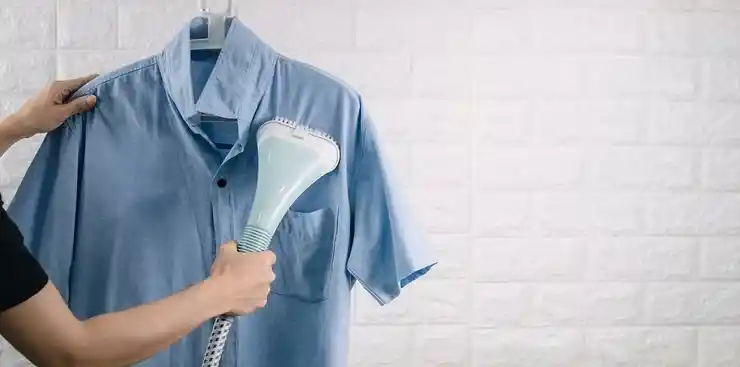
The garment is steamed, pressed, and shaped back to its original form. This is what gives dry-cleaned clothes that crisp, professional look you can't replicate in your dryer.
What Does Dry Cleaning Include?
Dry cleaning is the right choice for a specific category of garments. Here's what it covers, and why each one needs this treatment:
Suits are constructed with internal linings, interfacing, and padding that can warp, shrink, or separate when exposed to water. Dry cleaning preserves the structure and keeps lapels lying flat. If you wear suits regularly in NYC, plan on dry cleaning them 3 to 4 times per year, since more frequent cleaning will wear out the fibers faster.
These natural protein fibers are extremely sensitive to water and agitation. Even lukewarm water can cause felting, an irreversible matting of the fibers that shrinks the garment and ruins its texture. Dry cleaning eliminates that risk entirely.
Silk is delicate and can watermark, fade, or lose its sheen when washed in water. Chiffon is so lightweight that machine washing tears or distorts it. Both need the gentle solvent treatment that dry cleaning provides.
Formal dresses, bridesmaid gowns, and anything with beading, embroidery, sequins, or lining should always be dry cleaned. The embellishments can corrode or fall off in water, and the internal structure needs careful pressing to maintain its shape.
Heavy wool, camel hair, or structured coats should be dry cleaned once per season, ideally at the end of winter before storing them. Washing at home can flatten the batting, distort the shoulders, and cause the lining to bunch.
Pleated or lined dress pants and formal shirts with structured collars hold their crispness far better with dry cleaning than with regular ironing. The pressing step alone makes a visible difference.
What Should NOT Be Dry Cleaned?
Dry cleaning is not a one-size-fits-all solution. Plenty of everyday items are completely unsuitable for it, and sending them to a dry cleaner is both unnecessary and wasteful. These items belong in your regular laundry, handled through a wash and fold service instead:
- Cotton t-shirts and casual tops: Cotton handles machine washing perfectly. Dry cleaning it adds cost with no benefit.
- Most denim: Jeans should be washed in cold water to preserve their color and fit. Dry cleaning can actually make denim stiff and dull.
- Athletic and gym wear: Polyester, nylon, and performance fabrics need water washing to flush out sweat, bacteria, and odor. Solvent cleaning won't handle these effectively.
- Towels and bath linens: These need hot water washing for proper disinfection. Dry cleaning won't sanitize them the same way.
- Bed sheets and pillowcases: High-temperature wash cycles are what kill dust mites and allergens. Sheets go to wash & fold, not dry cleaning.
- Underwear and socks: Always washed at home with hot water for hygiene. Full stop.
How to Read Garment Care Labels
That little label inside your collar is more important than most people give it credit for. Here's a quick cheat sheet for the symbols that matter most:
- Circle symbol: Dry clean. If there's a letter inside (P or F), it tells the cleaner which solvent to use.
- Circle with an X through it: Do not dry clean. Water wash only.
- Wash tub with a hand: Hand wash only in cool water. Not machine, not dry cleaning.
- "Dry Clean Only" in text: Self-explanatory. Don't risk it, just follow the label.
- Wash tub with a temperature number: Machine washable at that specific temperature. No dry cleaning needed.
When in doubt, bring it in. Our staff at Neatly can read any label and tell you exactly what your garment needs.
Stain Removal in Dry Cleaning: What Can and Can't Be Done
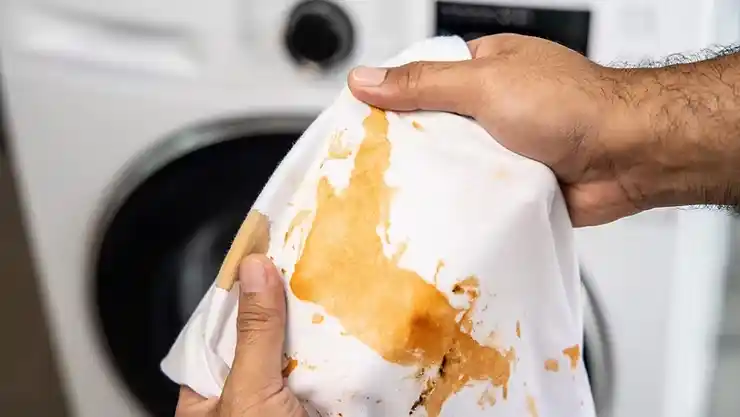
Dry cleaning is excellent at removing oil-based stains: grease, makeup, body oils, and salad dressing respond very well to solvent treatment. However, there are limits. Old, set-in stains are much harder to remove regardless of the method. The longer a stain sits, the more it bonds with the fiber.
Water-based stains like coffee, wine, and juice can sometimes be pre-treated effectively before dry cleaning, but results depend on the fabric and how long the stain has been sitting. Always tell the staff about any stains when you drop off. Pointing them out before cleaning gives the best chance of full removal. If you're scheduling a pickup, note it in the app or leave a note in the bag.
Dry Cleaning vs. Hand Washing: What's the Difference?
Hand washing is a gentler version of machine washing. It still uses water, just without the agitation of a machine drum. It's a good option for delicate cotton or linen blouses, but it doesn't replace dry cleaning for structured garments. Water, even cold water handled gently, can still cause silk to watermark, wool to felt, and structured fabrics to lose their shape. If the care label says dry clean, hand washing is not an equivalent substitute.
How Often Should You Dry Clean?
Over-cleaning is a real thing: too much dry cleaning shortens the life of a garment. Here's a sensible schedule:
- Business suits: 3 to 4 times per year (more if you wear them daily)
- Sport coats and blazers: 2 to 3 times per year
- Winter coats: Once per season, at the end of winter
- Silk blouses and dress shirts: After 2 to 3 wears, or whenever visibly soiled
- Evening gowns and formal wear: After every use. Don't store worn formal wear without cleaning it first
Between dry cleans, spot-treat small marks, air your garments out after wearing, and use a fabric brush on wool and cashmere to keep them fresh longer.
Schedule Your Dry Cleaning Pickup with Neatly
At Neatly, we provide professional dry cleaning services using modern techniques and eco-conscious solutions. Every garment is inspected, pre-treated, cleaned, and pressed with care, and we offer free pickup and delivery across all of Brooklyn and Staten Island. Standard dry cleaning turnaround is 3 days. You don't have to make a trip anywhere. Schedule a pickup through the app or online, leave your items at your door, and we'll have them back to you looking their best.
Have questions about a specific garment? Call us at 718-667-6667. We're happy to help you decide whether something needs dry cleaning or standard wash & fold.